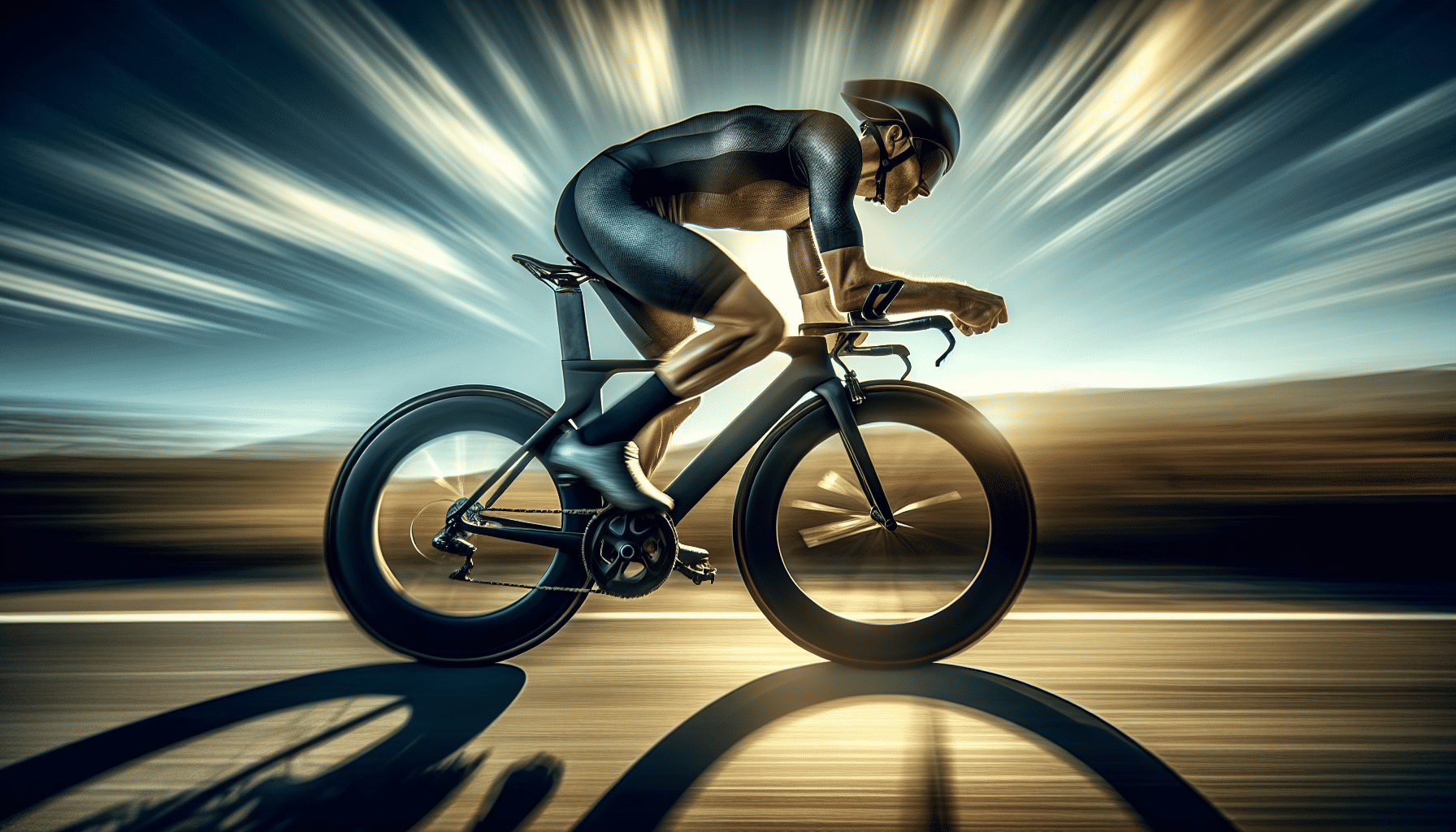
Capturing the essence of movement in a still photograph is a fascinating challenge that can transform a simple image into a compelling narrative. By mastering the techniques of controlling shutter speed and using panning, photographers can convey the energy and dynamism of motion.
The first technique to consider is the manipulation of shutter speed. Shutter speed determines the duration for which the camera’s sensor is exposed to light. To capture motion, slower shutter speeds are often employed. This method allows moving subjects to appear blurred against a sharp background, which can illustrate speed or direction. For instance, a shutter speed of 1/30th of a second or slower can create dramatic effects when photographing a cyclist racing down the street. The background remains in focus while the cyclist appears blurred, highlighting the swiftness of their movement.
However, using a slower shutter speed necessitates a steady hand or a tripod to avoid unintentional blur across the whole image. A useful tool for maintaining stability and achieving desired results is a tripod, especially in low-light settings. Alternatively, image stabilization features in modern cameras can also assist in minimizing unwanted blur.
In contrast, capturing a crisp image of a moving subject requires a fast shutter speed, such as 1/500th of a second or faster. This setting is ideal for freezing motion, like capturing a dancer mid-leap or droplets of water in mid-air. The resulting image showcases the intricate details of a moment that would otherwise be imperceptible to the human eye.
Panning is another technique that can effectively convey motion in a photograph. This involves tracking a moving subject with the camera while using a slower shutter speed. The key to successful panning is to move the camera along with the subject at the same speed, keeping the subject in the same position within the frame while the shutter is open. The result is a sharp subject set against a blurred background, emphasizing speed and direction.
To practice panning, it is beneficial to choose a straightforward subject, such as a car or a runner, and follow them as they move across your field of view. Experimenting with different shutter speeds, typically ranging from 1/30th to 1/100th of a second, can help determine the ideal setting for the effect you want to achieve.
Additionally, understanding the environment and lighting conditions plays a crucial role in motion photography. Natural light can add depth and mood to images, making early mornings or late afternoons favorable times for shooting. Properly adjusting ISO settings to complement shutter speed and aperture can prevent overexposure or underexposure in varying light conditions, enhancing the overall quality of the photograph.
In conclusion, capturing motion in still photos requires a blend of technical skill and creative vision. By mastering shutter speed adjustments and panning techniques, photographers can push the boundaries of their craft, producing images that vividly portray movement and emotion. Practice and experimentation are vital, as these skills develop over time, leading to the creation of striking visuals that tell compelling stories through the lens.