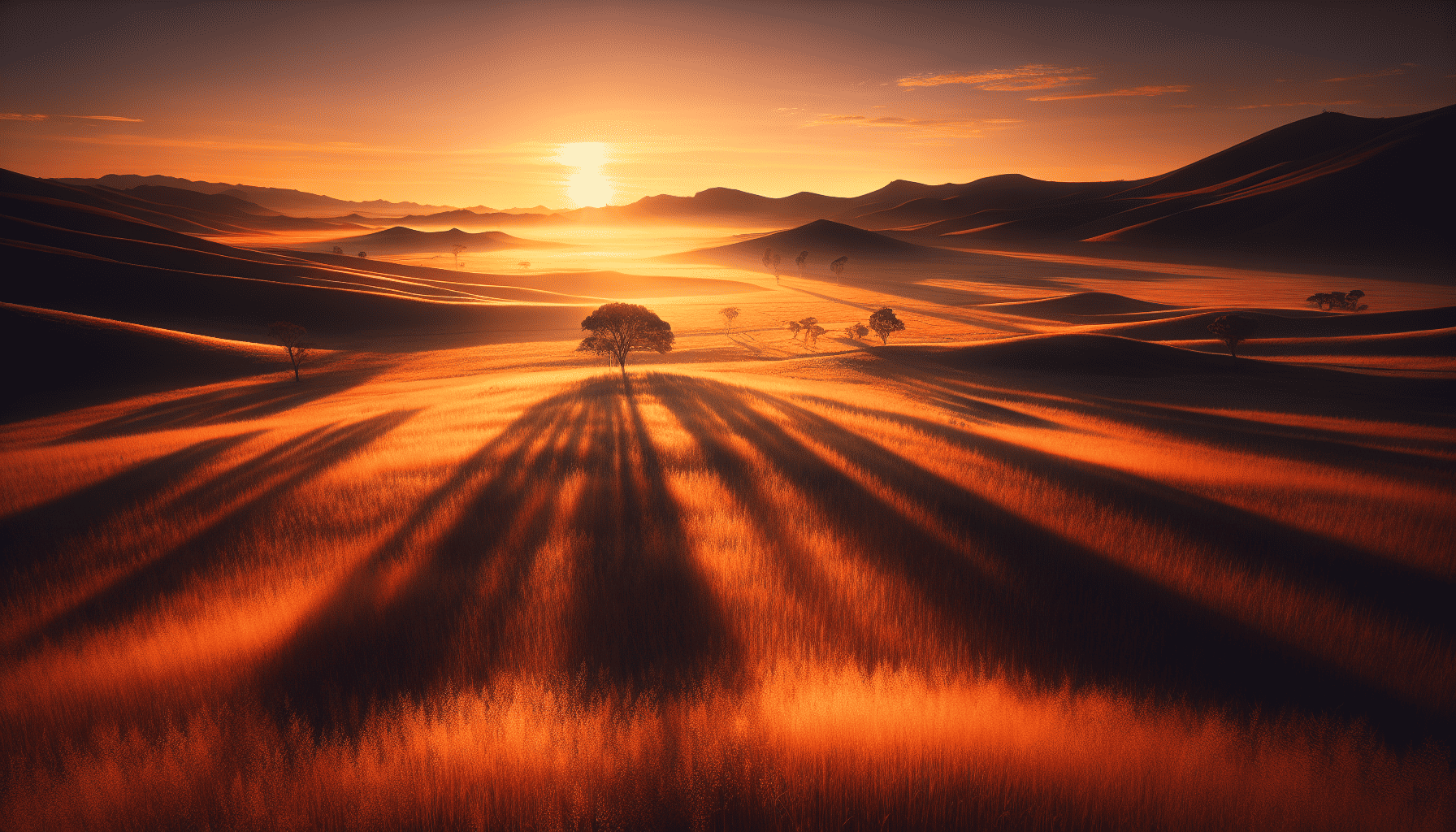
Mastering the interplay of light and shadow can elevate your photographic work by adding dynamic qualities and enhancing depth. The secret lies in understanding how these two elements interact, allowing you to craft images with breathtaking dimension.
Light is the fundamental element that unveils the intricacies of your subject. Whether you’re working with natural or artificial sources, it's vital to consider the direction, intensity, and quality of light. Soft, diffuse illumination can create gentle transitions and smooth textures, while hard, direct beams result in sharp contrasts and dramatization. Begin by observing how different lighting conditions influence the mood and texture of a scene. Experiment with light placement, observing how slight adjustments can transform the atmosphere and enhance the subject’s features.
Shadow, on the other hand, is the anchor that gives a sense of solidity and form to your imagery. It can convey drama, mystery, and even evoke emotion. When used effectively, shadows can guide the viewer’s eye, frame the subject, or create a striking balance within the frame. Playing with the length and edge of shadows can introduce a narrative element, encouraging the audience to ponder what lies beyond the light.
To harness these elements effectively, consider the time of day. Early mornings and late afternoons offer soft, angled sunlight that works wonderfully for capturing delicate textures and rich colors. On overcast days, the diffused lighting offers an even backdrop, minimizing harsh shadows and promoting even tonal distribution.
Utilizing reflectors and diffusers can help you control the interplay of light and shadow. A reflector can bounce back light into the shadowed areas of your subject, reducing contrast and bringing out details otherwise hidden. Diffusers soften the light source, diminishing harshness and producing even illumination across your subject’s surface.
Consider the context of your photograph. Portraits benefit from careful light management to convey the subject’s emotion; soft shadows can add a tender touch, while bold ones might highlight strength and determination. Landscape captures can achieve a three-dimensional feel by using shadows provided by natural elements like mountains or trees to direct attention through the scene.
Incorporating light and shadow into your composition demands patience and creativity. Allow yourself to experiment with setups, and explore how manipulating these fundamental aspects can enhance narrative and dimensionality. As you practice, you’ll develop a keen eye for noticing and utilizing light and shadow to bring your photographic visions to life with depth and intrigue.