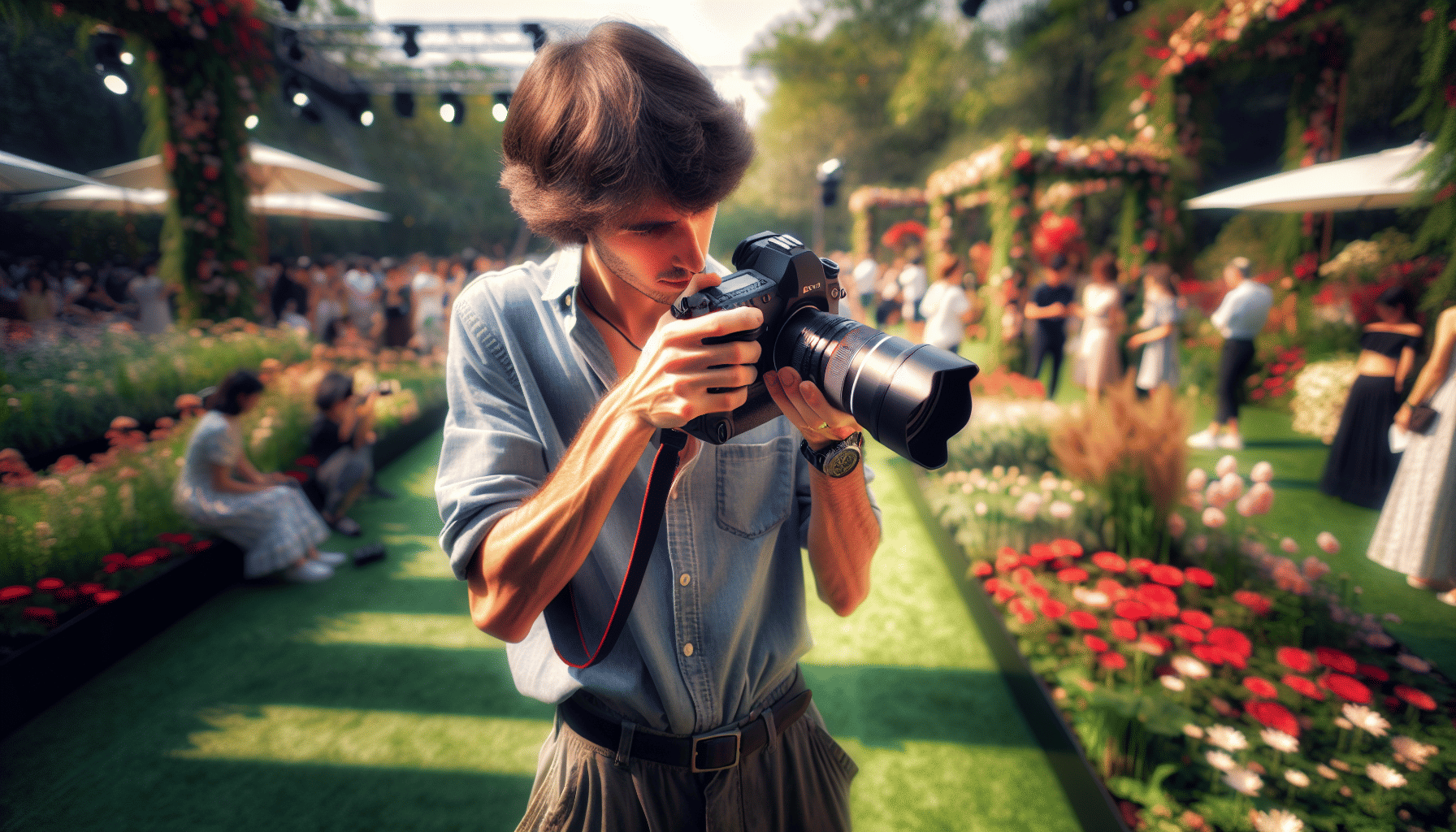
Capturing stunning photographs requires more than just owning a high-quality camera. It involves mastering various techniques to harness your camera's full potential and infusing your shots with creativity and precision. Here’s a guide to essential camera techniques that can enhance your photographic journey.
Understanding Your Camera
The first step in mastering any camera is understanding its functions and settings. Spend time exploring the different modes, from aperture priority to manual settings. Familiarize yourself with terms like ISO, shutter speed, and aperture to better control the exposure of your images.
Composition
Composition plays a critical role in photography, dictating how elements are arranged within the frame. The "rule of thirds" is a fundamental technique, where you divide the image into nine equal parts with two horizontal and two vertical lines, placing the subject along these lines or at their intersections. This results in balanced and aesthetically pleasing images.
Another key compositional technique is "leading lines," which guide the viewer's eye through the photograph and often toward the focal point. Examples include roads, rivers, or architectural elements.
Lighting
Lighting can dramatically affect the mood and quality of your photos. Natural light is a favorite among many photographers. The golden hours—shortly after sunrise and before sunset—are ideal times for capturing soft, warm tones.
Experiment with different sources and angles of light to see how shadows and highlights impact your image. Backlighting can create stunning silhouettes, whereas side lighting can emphasize texture and depth.
Focus and Depth of Field
Ensuring your subject is in focus is essential, as blur can detract from the image’s impact. Use auto-focus for moving subjects or manual focus for precision with static subjects.
Understanding depth of field—the distance between the nearest and farthest objects in focus—is also crucial. A shallow depth of field (achieved with a larger aperture) can isolate the subject from the background, creating a beautiful bokeh effect. Conversely, a deep depth of field (with a smaller aperture) keeps more of the scene in focus, which is ideal for landscapes.
Shutter Speed
Shutter speed impacts the motion captured in your photographs. A fast shutter speed freezes action, perfect for sports or wildlife shots. A slow shutter speed can create motion blur, adding dynamic creativity to your photos, such as capturing the movement of water or light trails from traffic.
Experimentation
Finally, don’t be afraid to experiment. Break traditional rules to develop your own style. Try different angles, perspectives, or even create abstract images. Photography is an evolving art form; embracing innovation and experimentation can lead to unique and compelling outcomes.
Mastering your camera involves understanding its capabilities, practicing essential photographic techniques, and developing a keen sense of creativity. Whether you’re capturing the delicate details of a flower or the expansive beauty of a landscape, these techniques will help you produce images with precision and flare. Keep shooting, and remember that every photograph is an opportunity to learn and grow as a photographer.