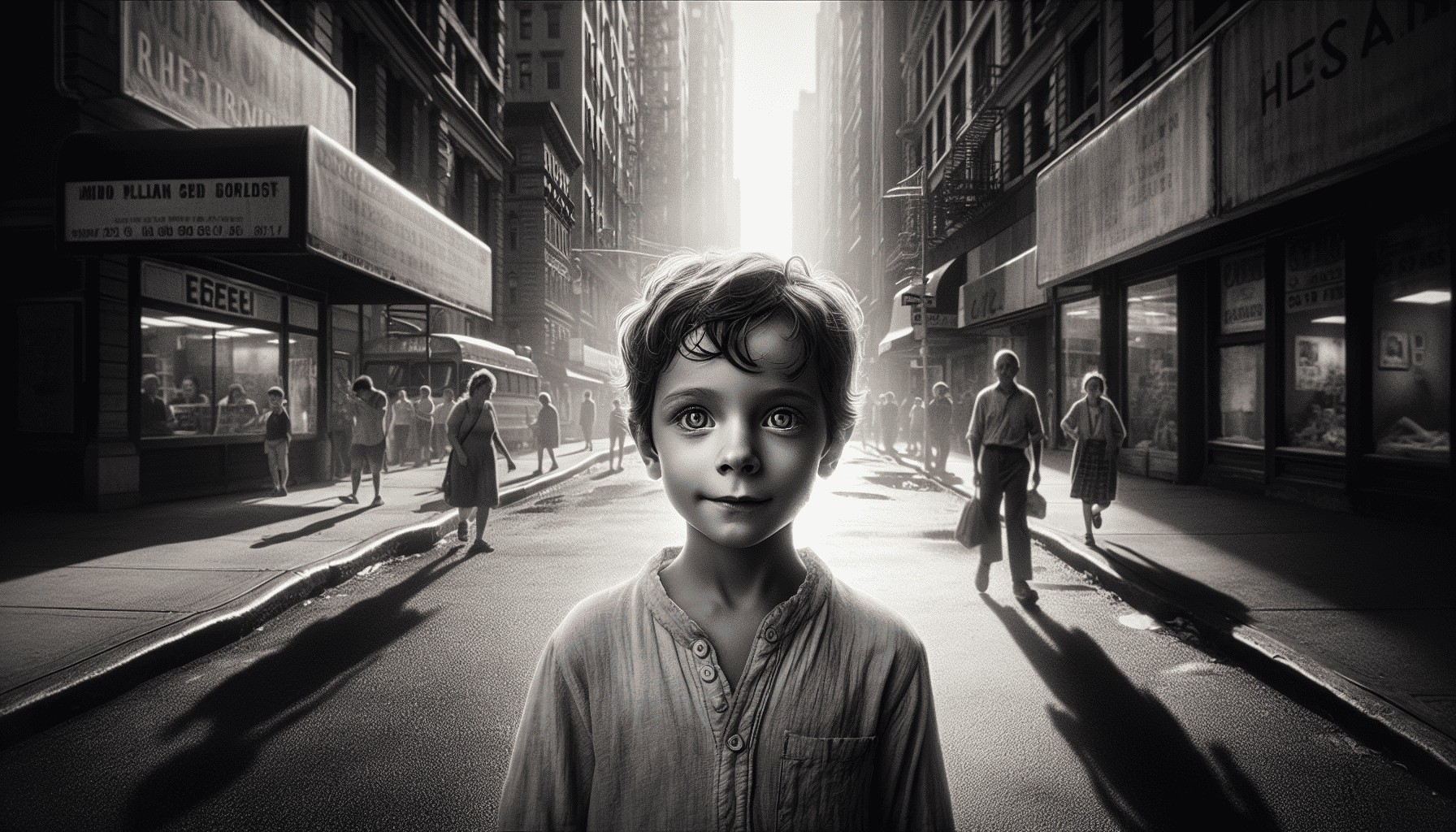
In the realm of visual expression, the art of storytelling through imagery stands as a profound means of communication. Capturing compelling narratives with a camera involves not just technical skill, but a keen eye for emotion, context, and detail that resonate on a deeper level. This art form transcends the mere act of taking pictures, immersing both the creator and the viewer in a shared journey of discovery and feeling.
At the core of visual storytelling is the ability to connect with the subject. Understanding the story you wish to convey is crucial. Whether it's the joy of a child playing in a park, the intensity of a sports event, or the serenity of a natural landscape, each moment holds a unique tale. Engaging with the environment and subjects can provide context and authenticity to your images, making the narrative more relatable and impactful.
Every photo should have a focal point—a subject or element that draws the viewer's attention and guides them through the story. The composition plays a vital role here, as it determines how the story unfolds within the frame. Understanding techniques such as the rule of thirds, leading lines, and framing can help emphasize the main subjects and create a dynamic visual flow that guides the viewer’s eye.
Lighting is another critical element of storytelling through imagery. The way light interacts with a scene can set the mood and tone, influencing how a story is perceived. Natural light can create a sense of warmth and authenticity, while dramatic shadows and highlights can add emotional depth. Experimenting with different lighting conditions can help convey the desired mood and enhance the narrative.
Emotion is the heartbeat of any story, and capturing it in a photograph requires patience and empathy. Observing subtle gestures, facial expressions, and interactions can capture the essence of a moment. It's about being present and attuned to the emotions of the subjects, allowing their stories to unfold naturally.
The concept of a sequence can also elevate visual storytelling. A series of images, each focusing on different aspects of a narrative, can create a more comprehensive and immersive story. This approach allows for a multi-layered exploration of a theme, providing viewers with a more profound connection to the subject matter.
Post-processing techniques, when used with intention, can further enhance the story. Editing should aim to amplify the narrative without overshadowing it, ensuring that adjustments like color grading, contrast, and cropping serve the story rather than distract from it.
In conclusion, visual storytelling is a powerful conduit for sharing human experiences. It requires a thoughtful approach that combines technical skills with emotional insight. By focusing on authentic connections, purposeful composition, and mood-conscious lighting, one can capture images that transcend words and speak directly to the heart. This art invites both photographer and viewer to explore the infinite stories nestled in everyday moments, fostering a universal understanding through the silent yet eloquent language of images.